B.E. S.A.F.E.
Biosecurity Education to Safeguard Animals at Fairs and Events
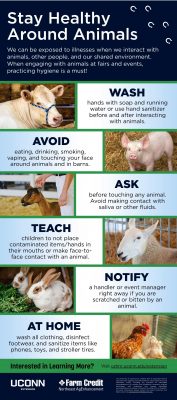
Stay Healthy Around Animals
We can be exposed to illnesses when we interact with animals, other people, and our shared environment. When engaging with animals at exhibitions and events, practicing hygiene is a must!
- Wash hands with soap and water or use hand sanitizer after interacting with animals.
- Avoid eating, drinking, smoking, or vaping near animals and in barns.
- Ask before touching any animal. Avoid making contact with saliva or other fluids.
- Use shoe disinfecting mats and hand wash stations when entering and exiting an animal area.
- Notify a handler or event manager right away if you are scratched or bitten by an animal.
- At home, wash all clothing, disinfect footwear, and sanitize items like phones, toys, and stroller tires.
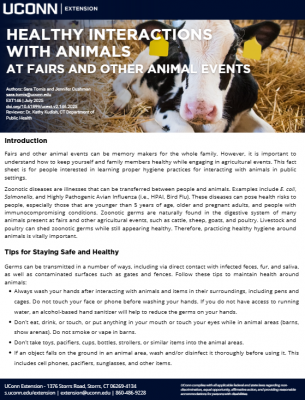
The BE SAFE Project
Fairs and public events bring people and animals together, creating valuable opportunities for agricultural education and community connection. However, these events also present increased risks for the spread of zoonotic diseases—those that can be transmitted between animals and humans. BE SAFE is a proactive educational initiative designed to enhance biosecurity practices at fairs and public animal events, protecting both animal and human health.
Our Mission
BE SAFE aims to increase awareness, preparedness, and implementation of biosecurity measures among youth exhibitors, volunteers, fair organizers, and the general public. Through educational outreach and practical tools, we’re building a culture of health and safety in animal event settings across the Northeast.
What We Do
We take a multi-faceted approach to biosecurity education with resources and programming designed for all levels of involvement in animal events. BE SAFE resources include:
-
Fact sheets for youth and adults on key biosecurity topics
-
Posters and signage for use at fairs and public venues
-
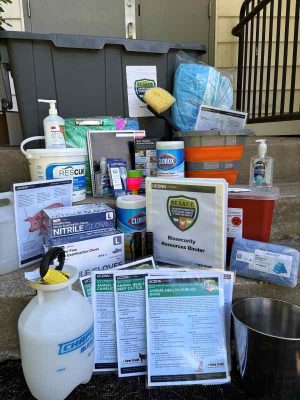
Biosecurity kits with practical materials
-
Educational workshops and displays
-
Guidance on healthy human-animal interactions
Pilot Program & Education
In summer 2025, BE SAFE will launch its pilot initiative through the UConn 4-H Fair system. These efforts will serve as a model for broader implementation across the Northeast. All materials and resources will be accessible through this site and the UConn Extension network to support fairs and events of all sizes.
Signage for Animal Exhibitions and Events
- Wash Hands When Leaving Animal Exhibits (CDC)
- Prevent the spread of flu between animals and people. (and in Spanish) (CDC)
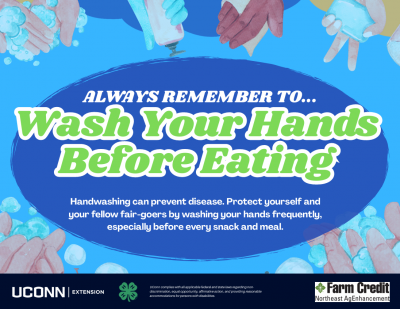
- BE SAFE Handwashing Reminder Sign
- BE SAFE Handwashing Near Food Vendors Sign
- BE SAFE Hoses for Animal Use Sign
- BE SAFE Manure Disposal Area Restricted Sign
- BE SAFE Animal Quarantine Area Restricted Sign
- BE SAFE Wash Rack Restricted Area Sign
Animal Health Checklists
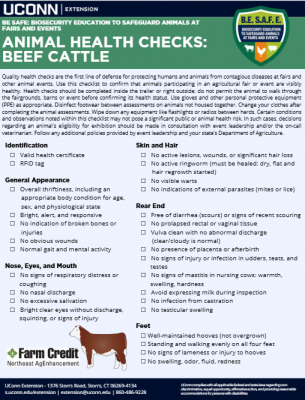
- BE SAFE Animal Health Checklist - Beef Cattle
- BE SAFE Animal Health Checklist - Camelids (Alpacas and Llamas)
- BE SAFE Animal Health Checklist - Dairy Cattle
- BE SAFE Animal Health Checklist - Dogs
- BE SAFE Animal Health Checklist - Goats
- BE SAFE Animal Health Checklist - Horses
- BE SAFE Animal Health Checklist - Poultry
- BE SAFE Animal Health Checklist - Rabbits and Other Small Mammals
- BE SAFE Animal Health Checklist - Sheep
- BE SAFE Animal Health Checklist - Swine
Other Useful Resources:
-
EPA’s Registered Antimicrobial Products Effective Against Avian Influenza [List M]
-
CDC: Considerations and Information for Fair Organizers to Help Prevent Influenza
- Extension Foundation: H5N1 Resources for Youth Livestock Events and Shows
Funding Acknowledgement
This project is funded by a 2025 Northeast AgEnhancement Grant from Farm Credit.